Wedding trends 2026: what is actually changing
Beyond the trend listicles, five real shifts in how British couples are marrying this year, and what each one means for your planning.
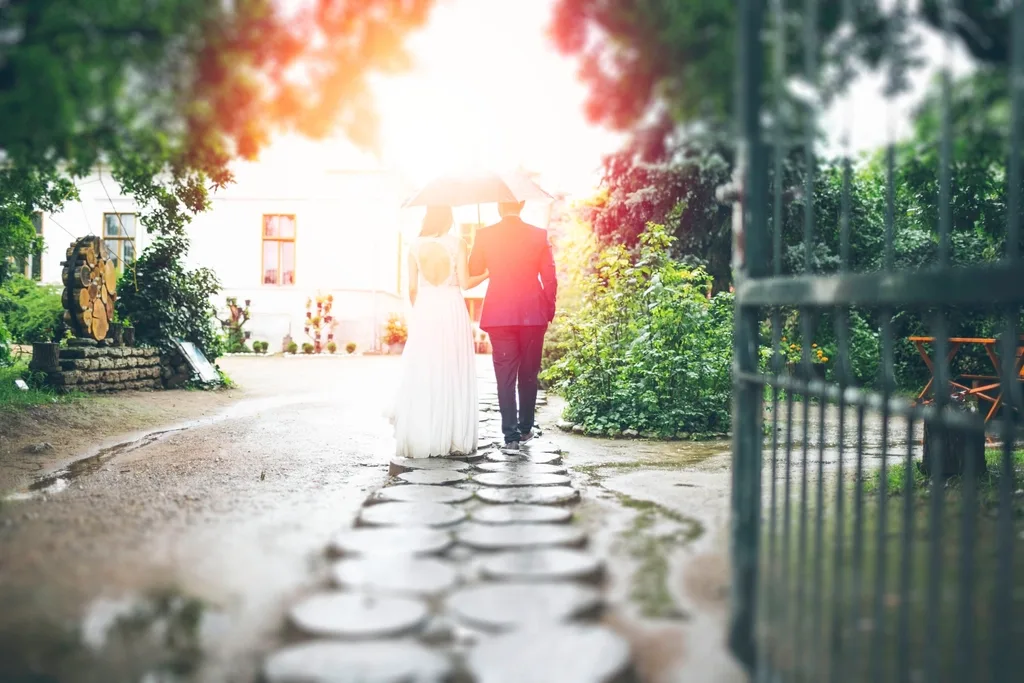
Trend pieces usually describe tablescapes. The real trends are structural: how couples spend, what they cut, and what a wedding is quietly becoming. Watching hundreds of British weddings take shape, five genuine shifts stand out this year.
The wedding is becoming a weekend
The single biggest change is temporal. Couples increasingly buy venues by the weekend, arrive Friday, marry Saturday and brunch Sunday, treating the wedding as a short residency rather than an eight hour show. South Asian families have run multi day weddings forever; the format is now spreading across every kind of couple, because time with people turns out to be the luxury guests actually want.
Guest lists are falling, spend per guest is rising
The average invitation list keeps drifting down while budgets hold steady, which means the money concentrates: better food, longer bars, live music, film. Couples say the same sentence in different accents: we would rather host eighty people properly than a hundred and forty adequately. Expect fewer favours and better wine.
Food replaced flowers as the flex
The statement centrepiece of 2026 is edible. Grazing tables built like still lifes, live stations, late night trucks, heritage menus from the couple's own cultures served without apology. Guests photograph the food now the way they photographed flower walls five years ago, and budgets have followed the cameras.
Personal beats traditional, but ritual survives
First dances are skipped, bouquets are kept, speeches are shared across genders, and couples walk in together. Yet the rituals that remain are taken more seriously, not less: vows written and rewritten, ceremonies that actually say something. The pattern is not the death of tradition. It is tradition by choice rather than by default.
Sustainability went quiet and got real
The performative phase has passed. What remains is practical: seasonal British flowers, hired and rewearable outfits, less single use everything, donations of surplus food. Couples no longer announce it on the invitation; they just build it in, which is what a trend maturing looks like.
The thread through all five is the same: weddings are being designed from what couples actually value, rather than assembled from an industry checklist. Whatever you take from the trends, take the method.