The Magazine · Culture & Traditions
The multi day South Asian wedding: a planning guide
Mehndi, sangeet, ceremony, reception: a British South Asian wedding is a festival with logistics to match. How to run the week without losing the joy.
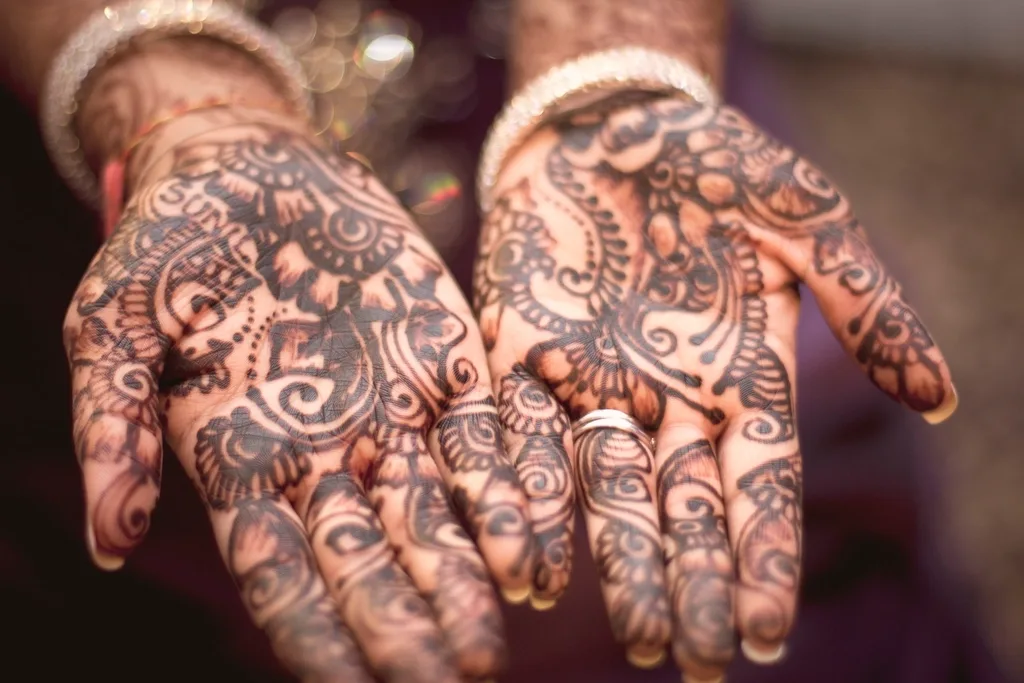
A South Asian wedding in Britain is not an event. It is a season: mehndi, sangeet or dholki, the ceremony itself, and a reception, often across several days and sometimes several venues, with guest lists that make English weddings look like dinner parties. Planning one is genuinely a different discipline, and the couples who thrive treat it that way from the start.
Plan the arc, then the events
Before booking anything, sketch the whole sequence on one page: which events, which days, roughly how many guests at each. The mehndi might be eighty people at home; the reception might be four hundred in a hall. Each event has its own venue needs, catering, dress and energy, and the one page arc stops you booking a Friday hall before realising the baraat needs somewhere to arrive on Saturday morning.
Budget by event too. Families are often sharing costs across sides, and nothing preserves goodwill like agreeing early who hosts what, in numbers, before a single deposit.
The bookings that go first
Venues that take three hundred plus, top caterers, and the best photographers and videographers book a year out for peak dates. So does live music worth having, dhol players included. If your wedding needs a mandap or elaborate staging, the decor company joins that first wave, because the good ones are building three weddings a weekend in season.
Photography deserves a specific word: hire people who know the ceremonies. A photographer who does not know what the milni is will miss it. Ask to see full galleries of weddings like yours.
The logistics that decide the mood
Timings drift at big family weddings; everyone knows it and the schedule should too, with real buffers rather than optimistic ones. Feed people early and often, because a hungry crowd of four hundred develops opinions. Give every event one named runner who is not a parent and not the couple. And book transport between venues as infrastructure, not an afterthought.
Keep one evening unproduced
The strongest advice from couples on the far side: leave one gathering loose. A mehndi night that is just music, hands and family, without a run sheet, is where the week's best memories consistently come from. The production earns its keep at the reception. The joy tends to live where the schedule is thinnest.